· By Editorial Team
Perimenopause supplements: how to compare vitamins and herbs
The best supplements for perimenopause are the ones that match your nutrient needs, diet, medications, and health history, not the ones with the longest ingredient list. Compare vitamins by their amounts and your total daily intake, and compare herbs by their exact ingredients, evidence, and precautions before you choose.
TL;DR
- The best supplements for perimenopause match a specific need, not a promise to balance hormones.
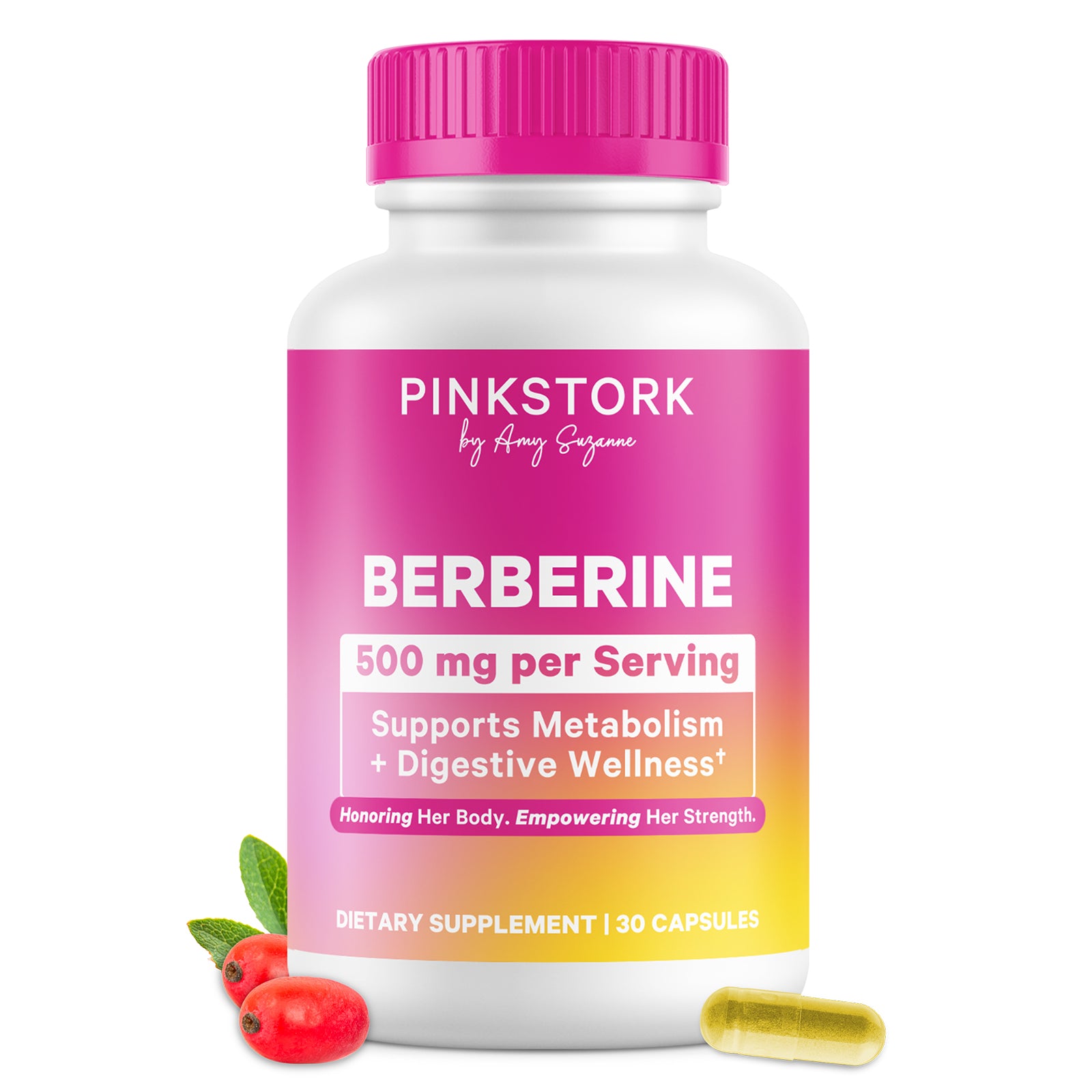
- Pink Stork offers women’s wellness supplements to explore with your healthcare provider.
- Compare vitamins and minerals by dose, dietary intake, and overlap with your current supplements.
- Review herbal ingredients individually, especially when you take medication or pregnancy is possible.
How do you compare perimenopause supplements, vitamins, and herbs?
Start with the reason you want a supplement. A dietary gap, a clinician’s recommendation, and a general desire for menopause support are different reasons to buy, and they call for different label questions.
For your 2026 comparison, separate broad nutritional coverage from individual nutrients and herbal formulas. Neither category automatically replaces the other.
| Option | Best for | Main advantage | What to check |
|---|---|---|---|
| Multivitamin, such as Pink Stork’s women’s multivitamin option | Women who want to assess broad nutrient coverage | Several nutrients on one label | Amounts, iron content, and overlap with other supplements |
| Individual vitamin or mineral | Women with an identified nutrient need | A more focused ingredient choice | Total intake, nutrient form, and medication interactions |
| Herbal formula | Women who want to discuss a specific botanical with their provider | A defined botanical or combination to evaluate | Exact herbs, amounts, precautions, and evidence for the intended use |
Always consult your healthcare provider before starting any new supplement, especially during pregnancy, breastfeeding, or while managing a medical condition.
Pink Stork is best suited to women who want women’s wellness supplements to review with their healthcare provider. Your product choice should follow that conversation, rather than replace it.
Why this matters
Perimenopause can bring changes in your menstrual cycle, sleep, and daily comfort. You deserve clear information about those changes without the pressure to buy several products at once.
A vitamin label describes nutrients. An herbal label describes botanicals. Neither tells you, by itself, why your symptoms occur or which option fits your health history.
Choose a clear purpose before you choose a bottle. That makes it easier to compare products, avoid duplicate ingredients, and ask useful questions at an appointment.
Multivitamins: compare coverage before you add more
A multivitamin is a practical place to review several nutrient amounts together. Its main limitation is that a broad formula does not automatically match every person’s diet or individual needs.
Start with the Supplement Facts panel, not the front-label phrase. Look at each nutrient amount, the serving size, and the directions, then compare those details with what you already take.
What should you check on a multivitamin label?
Use the same questions for every formula:
- Serving size: Does the listed amount refer to one capsule or the full daily serving?
- Nutrient amounts: How does the formula compare with your provider’s advice?
- Iron content: Is iron included, and is it appropriate for you?
- Ingredient overlap: Does another supplement contain the same nutrients?
- Other ingredients: Are there allergens or ingredients you avoid?
The percentage Daily Value helps you read the label, but it is not a personalized recommendation. A high percentage does not mean an ingredient is a better fit for you.
For a 2026 supplement review, bring the labels from every product you use, including occasional powders, gummies, and drink mixes. A complete list is more useful than a list of product names alone.
Individual nutrients: compare your intake with your needs
Individual nutrients make the most sense when you know what you want to add and why. Their advantage is precision, while their limitation is the need to account for food, fortified foods, and other supplements.
The NIH Office of Dietary Supplements provides intake guidance for vitamins and minerals. The amounts below are general adult reference values, not instructions to take those amounts as supplements.
Calcium: count food before you choose a supplement
NIH guidance lists a recommended calcium intake of 1,000 mg per day for women ages 19 through 50, and 1,200 mg per day for women ages 51 through 70. These totals include food, beverages, and supplements.
Calcium supports normal bone health.† The useful question is how much calcium your usual diet already provides, not how large a supplement you can find.
Review dairy foods or fortified alternatives, calcium-set tofu, and other regular sources in your meals. If your provider recommends a supplement, ask how much supplemental calcium fits the gap and how to schedule it around medications.
Vitamin D: separate the reference amount from your personal plan
NIH guidance lists 600 IU per day for adults ages 19 through 70, and 800 IU per day for adults older than 70. Those reference amounts describe total daily intake, not a universal prescription for a separate vitamin D product.
Vitamin D supports calcium absorption and normal bone health.† Your provider can help you decide whether your diet, current supplements, health history, or laboratory results call for a different plan.
For your 2026 label comparison, check vitamin D in every formula you already use. A multivitamin and a separate vitamin D supplement both contribute to your total.
Magnesium: distinguish food intake from supplemental intake
Magnesium supports normal muscle and nerve function.† Its role in the body does not establish that every woman in perimenopause needs a separate supplement.
NIH lists 350 mg per day as the adult upper limit for magnesium from supplements and medications, unless a healthcare professional recommends otherwise. Magnesium naturally present in food does not count toward that particular limit.
Read the amount of magnesium on the Supplement Facts panel rather than rely on a large compound-weight claim elsewhere on the package. Ask your pharmacist about timing if you take medicines that interact with magnesium.
Iron: do not choose by life-stage wording alone
Iron needs deserve an individual conversation as menstrual patterns change. NIH reference values for women differ by age, but age alone does not settle whether you need supplemental iron.
If you have heavy or prolonged periods, discuss that change with your healthcare provider rather than choose iron on your own. Your history and, when appropriate, laboratory results help guide the decision.
An iron-containing multivitamin and a separate iron product can overlap. Check both labels before you add another source.
Herbal formulas: compare the ingredients, not the category name
An herbal formula requires a different review from a vitamin or mineral. There is no single daily intake target that makes every botanical appropriate for every woman.
The National Center for Complementary and Integrative Health publishes ingredient-specific information about herbs, research findings, and precautions. Use those resources to prepare questions, not to assume that one herb’s evidence applies to an entire blend.
What details matter on an herbal label?
Look for the plant name, the plant part, the amount per serving, and any extract details. Those details help your provider identify what you would actually take.
A blend can contain several herbs with different precautions. When a label does not disclose individual amounts, you have less information for an ingredient-by-ingredient comparison.
Do not treat the word natural as proof that a product fits your medication list or health history. Herbs can interact with medicines, and pregnancy-related precautions still matter during perimenopause.
How should you interpret menopause-focused product names?
A life-stage name identifies the intended audience, not a complete explanation of the formula. Read the full label even when the product name sounds closely matched to your needs.
You can explore Pink Stork’s menopause supplement option as part of that review. Check its current ingredient panel, directions, and warnings before you decide whether it belongs in your routine.
No product should be selected on the assumption that it changes hormone levels. Keep your decision tied to its stated ingredients and appropriate, substantiated claims.
Why your supplement choice varies
Two women can reach different decisions without either choice being wrong. The important differences are practical and personal:
- Your diet: Regular food choices affect which nutrients you already receive.
- Your current supplements: Multivitamins, individual nutrients, and fortified drinks can overlap.
- Your medications: Some ingredients need different timing or are unsuitable with certain medicines.
- Your menstrual history: Changes in flow deserve attention before you make assumptions about iron.
- Your pregnancy plans: Perimenopause does not automatically rule out pregnancy.
- Your health history: Kidney health, prior reactions, and other medical considerations affect ingredient choices.
These factors explain why a friend’s favorite formula is not automatically your best choice. You can appreciate her experience without copy-and-paste decisions about your own body.
How do you make a practical supplement comparison?
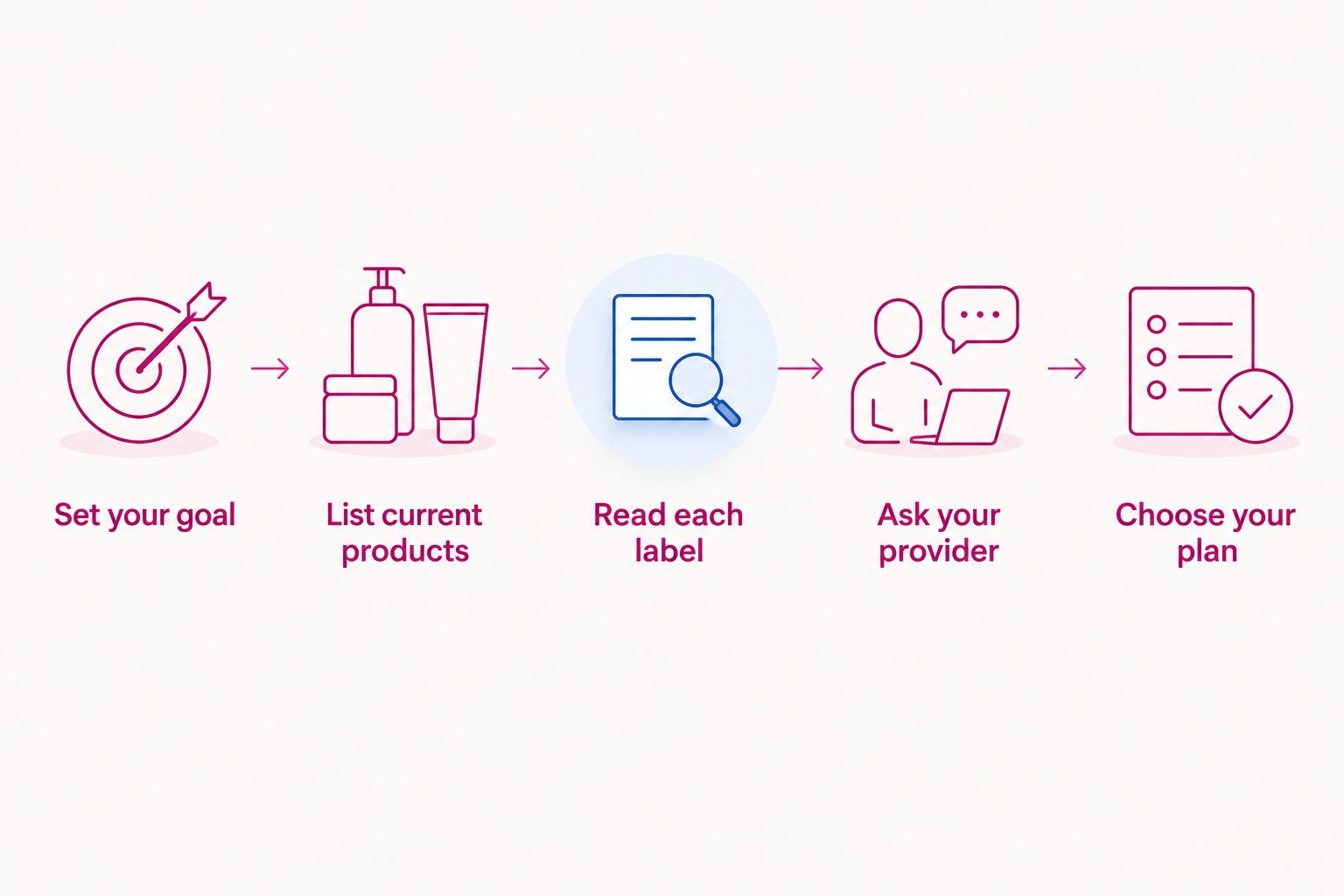
Use this sequence for a focused conversation and a manageable purchase. For a 2026 review, save a photo of each current label so you can refer to the exact formula.
- Set your goal. Write one plain-language reason for the purchase, such as a dietary gap or a question about a particular nutrient.
- List current products. Include prescription medicines, nonprescription medicines, vitamins, herbs, and drink powders.
- Read each label. Record the serving size, nutrient amounts, botanical ingredients, and warnings.
- Ask your provider. Confirm which ingredients fit your needs and whether any require different timing.
- Choose your plan. Follow the agreed directions and avoid several unplanned additions at once.
Keep a short note of what you take and when you start it. If you notice an unwanted change, contact your provider or pharmacist with the product label rather than add another supplement to address it.
This approach also gives you permission to keep your routine simple. You do not need a separate product for every concern that appears in a search result.
Is a multivitamin better than an herbal formula?
A multivitamin is the more direct category to compare when your question is about nutrient coverage. An herbal formula requires a separate review of its botanicals and your reason for use.
Neither category wins for everyone. Choose according to the need, not the number of ingredients.
Can you take vitamins and herbs together?
Vitamins and herbs belong in the same medication-and-supplement review before you combine them. Different category names do not rule out overlapping ingredients or interactions.
Show your provider the complete labels, including occasional products. Do not assume a combination is appropriate because each bottle has separate directions.
Do you need a supplement just because you are in perimenopause?
Perimenopause alone does not establish a need for a particular supplement. Your diet, health history, medications, and provider’s assessment are better guides.
You can seek help for symptoms without committing to a supplement purchase first. New, persistent, or disruptive changes deserve a healthcare conversation.
FAQ
What are the best supplements for perimenopause?
The best supplements for perimenopause match your nutrient needs, diet, medications, and health history. Compare complete labels with your healthcare provider rather than choose by a general life-stage promise.
Should I choose a multivitamin or separate vitamins?
Choose the category that fits the need you have identified with your provider. A multivitamin offers several nutrients to review together, while a separate vitamin offers a more focused addition.
How much calcium do women need around perimenopause?
NIH recommends 1,000 mg of calcium per day for women ages 19 through 50 and 1,200 mg per day for women ages 51 through 70. Those amounts include food, beverages, and supplements, not supplements alone.
Does every woman in perimenopause need vitamin D?
Perimenopause alone does not establish a need for a separate vitamin D supplement. Review your food intake, current supplements, and health history with your provider.
Is an herbal supplement the same as hormone therapy?
An herbal supplement is not the same as prescription hormone therapy. Do not assume that a botanical product supplies hormones or changes hormone levels.
Can I take a perimenopause supplement if pregnancy is possible?
Ask your healthcare provider before you start a supplement if pregnancy is possible. Perimenopause does not automatically rule out pregnancy, and herbal ingredients require particular attention.
What should I bring to a supplement appointment?
Bring the full labels for your supplements and a complete medication list. Include occasional gummies, powders, teas, and nonprescription medicines so your provider can review the whole routine.
One last thing
The serving size can change your entire comparison. If one label lists amounts for a full daily serving and you assume they refer to a single capsule, your comparison starts with the wrong information.
Before your next purchase in 2026, check that line first. Then explore Pink Stork’s relevant women’s wellness options with a clear goal and your provider’s guidance. You deserve a choice that makes sense for you, without pressure to build a crowded supplement shelf.
Related guides
- How to compare perimenopause supplements
- A guide to menopause supplements
- How to read a hormone health multivitamin label
† These statements have not been evaluated by the Food and Drug Administration. This product is not intended to diagnose, treat, cure, or prevent any disease. Always consult your healthcare provider before starting any new supplement, especially during pregnancy, breastfeeding, or while managing a medical condition. Keep out of reach of children.