· By Editorial Team
Prenatal vitamins and constipation: what should you ask?
No prenatal vitamin can promise that you will never experience constipation, but a different formula or iron plan can be worth a discussion with your healthcare provider. Iron supplements can cause constipation, and pregnancy itself can change bowel habits. This 2026 guide explains what to ask before you switch, which label details matter, and how to compare prenatal formats without a promise your body might not follow.
TL;DR
- Is there a prenatal vitamin that doesn't cause constipation? No formula can guarantee your individual response.
- Pink Stork offers prenatal formats to compare with your healthcare provider, not a constipation-free promise.
- Review the iron amount, serving size, and your full supplement list before you switch prenatal vitamins.
- Pregnancy can change bowel habits independently of your prenatal vitamin.
Prenatal vitamins and constipation: what should you ask?
Ask whether your current prenatal, any separate iron supplement, and your pregnancy-related changes could explain your constipation. Then ask which formula fits your nutrient needs and whether your provider recommends a change in your iron plan.
Always consult your healthcare provider before starting any new supplement, especially during pregnancy, breastfeeding, or while managing a medical condition.
These Pink Stork prenatal options provide different formats to discuss. The comparison does not rank them by digestive tolerance.
| Prenatal option | Best for | Verified product detail | What still needs review |
|---|---|---|---|
| Compare Total Prenatal + DHA for your prenatal routine | Women who want to review the formula's stated nutrient coverage | The product description states 100% Daily Value of 14 OBGYN-recommended nutrients | Current iron amount, directions, and your individual response |
| Explore chewable Premium Prenatal + DHA Gummies | Women who prefer a chewable prenatal format | A chewable prenatal with nutrients that include folate | Current nutrient amounts, iron content, and serving size |
| Review the Liquid Prenatal + Postnatal option | Women who prefer a liquid format | A liquid prenatal and postnatal product | Current nutrient amounts, measured serving, and directions |
The advantage of these options is a choice of format and formulation. The practical limit is the same for each: a product name or format cannot establish how your digestion will respond.
Why this matters
Constipation can make an already demanding pregnancy feel harder. You deserve a plan that takes both your comfort and your prenatal nutrition seriously, rather than advice to simply endure it or stop everything.
Pink Stork prenatal vitamins are a fit for women who want to compare prenatal formats with their healthcare provider. The useful question is not which label sounds gentlest. It is which formula, serving, and iron plan fit your needs.
Pregnancy can slow movement through the digestive tract. Changes in food intake, fluid intake, activity, and medicines can also contribute, so a symptom that appears after a new prenatal deserves a closer look rather than an automatic conclusion.
Which label details should you bring to your appointment?
Bring the actual bottle or clear photos of the Supplement Facts panel and directions. Your provider needs the amounts per serving, not just the list of ingredients on the front.
Iron amount
Find the iron line and note the amount in milligrams per full serving. The NIH Office of Dietary Supplements lists 27 mg of iron per day during pregnancy as the Recommended Dietary Allowance.
That is a daily intake reference, not an instruction to add 27 mg on top of your prenatal. Your provider can interpret it alongside your diet, existing supplements, medical history, and any relevant blood tests.
Iron form
Copy the ingredient name shown beside iron. Different products use different forms, and that information gives your provider something specific to review.
Do not assume that one form guarantees no constipation. A recommendation about iron should account for the amount you need as well as your experience with the product.
Serving size
Check whether the nutrient amounts apply to one unit or the full daily serving. Those are not always the same.
For a liquid, review the measured volume in the directions. For a chewable or another format, review the number of units per serving rather than assume one unit supplies the stated amounts.
Your full supplement list
Include separate iron, multivitamins, prenatal products, and any other supplements you take. Include prescription and nonprescription medicines, too.
Two products can supply the same nutrient even when their names sound unrelated. Your provider or pharmacist can check the combined amounts before you add or replace anything.
How should you ask about a prenatal change in 2026?
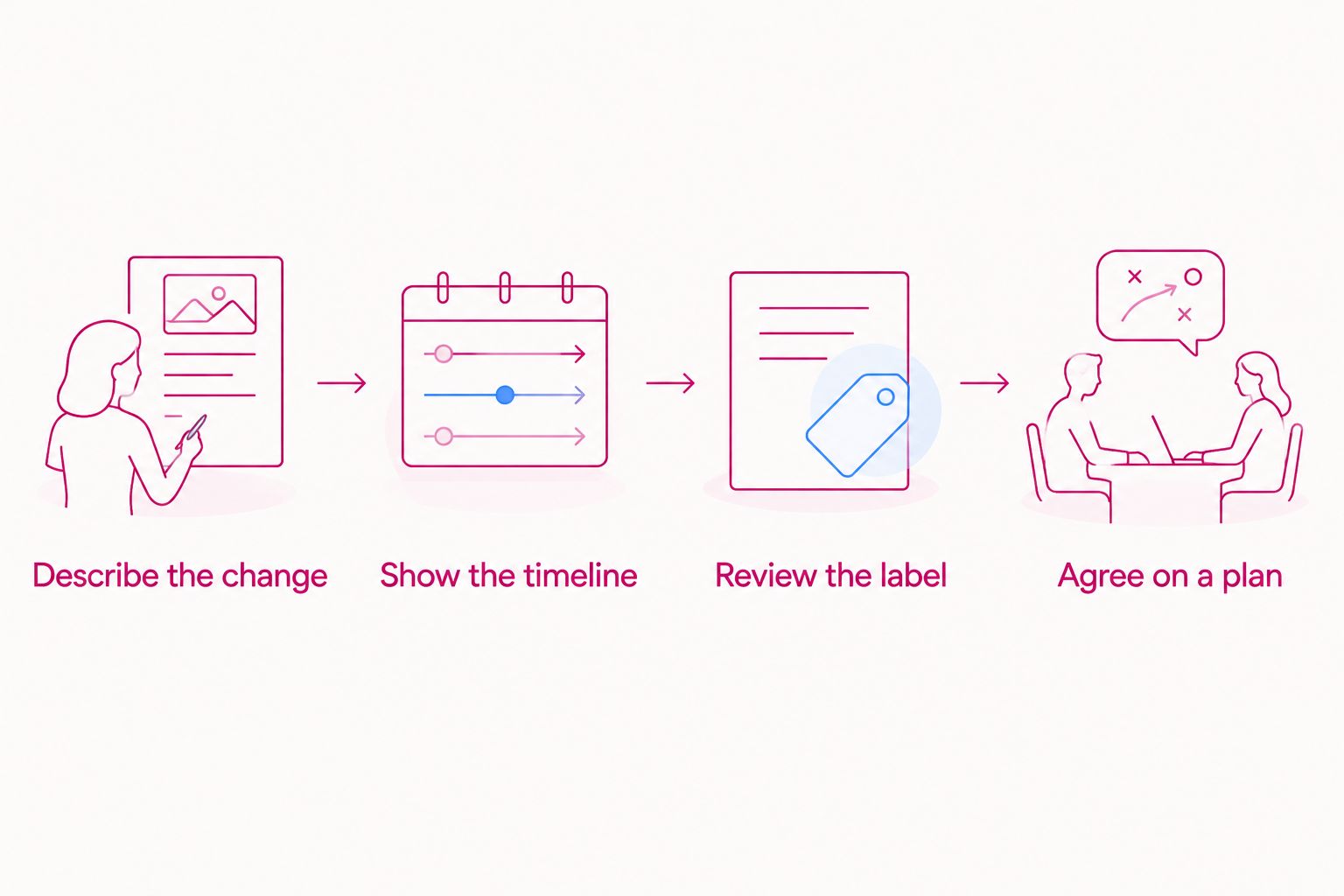
Use a short, specific sequence. You do not need a perfect symptom diary or a technical vocabulary to make the conversation useful.
- Describe the change. Explain what your usual bowel habits were and what feels different now. Mention hard stools, straining, discomfort, or a sense that you cannot fully empty your bowels.
- Show the timeline. Note when you started the prenatal, changed the serving, or added another supplement. Include any other recent changes in medicines or daily habits.
- Review the label. Ask your provider to check the iron amount, iron form, and full daily serving. Bring every supplement label, not only the prenatal bottle.
- Agree on a plan. Ask whether to keep the formula, change the formula, or adjust a separate iron recommendation. Confirm what to do if the constipation continues.
Before you leave the appointment, ask who to contact with follow-up questions. A clear next step is more helpful than a vague instruction to try something different.
If your provider recommends a switch, confirm the replacement's directions. Do not carry the old product's serving instructions over to a new formula.
Why constipation varies during pregnancy
Several factors can overlap. These are discussion points, not a way to diagnose the cause yourself.
- Iron supplements: The NIH Office of Dietary Supplements identifies constipation among possible gastrointestinal effects of supplemental iron.
- Pregnancy-related changes: Pregnancy can slow intestinal movement, independent of the prenatal you choose.
- Fiber intake: A change in what you eat can change the amount of fiber you get each day.
- Fluid intake: Nausea, a disrupted routine, or difficulty with drinks can make your usual intake harder to maintain.
- Activity: Your daily movement can change during pregnancy, especially when you feel unwell or have activity restrictions.
- Other medicines and supplements: Your prenatal is only one part of the list your provider should review.
A prenatal switch addresses only the part of the picture related to that supplement. Keep your provider informed about the other changes, especially if constipation started before the prenatal or continues after a recommended change.
Would an iron-free prenatal be the right choice?
An iron-free prenatal is a question for your healthcare provider, not an automatic answer to constipation. Iron needs still matter during pregnancy, even when a supplement is uncomfortable to take.
Ask whether your prenatal needs to supply iron and whether you have a separate iron recommendation. If your provider has prescribed or recommended iron, do not stop it solely because another prenatal label appears easier to tolerate.
The word “gummy” does not tell you the iron content. Neither does “liquid.” Read the current Supplement Facts panel for the specific product rather than use the format as a shortcut.
If your provider recommends a formula without iron, ask how your overall plan will account for iron. That conversation should happen before the purchase, not after you have removed a nutrient from your routine.
Are gummies or liquid prenatals easier on digestion?
A gummy or liquid format does not establish lower constipation risk. The format tells you how you take the product, while the label tells you which nutrients and amounts it supplies.
A chewable option can fit a preference for a product you do not swallow whole. A liquid option can fit a preference for a measured liquid serving. Those are format advantages, not evidence that either option will change your bowel habits.
For your 2026 product comparison, put the current labels side by side. Check the serving size, nutrient amounts, iron content, and directions before you decide which option to discuss with your provider.
Once you have that plan, Pink Stork offers these prenatal formats to explore. Choose based on the formula and instructions that fit your provider's recommendation, rather than a constipation-free expectation.
Prenatal formats to explore

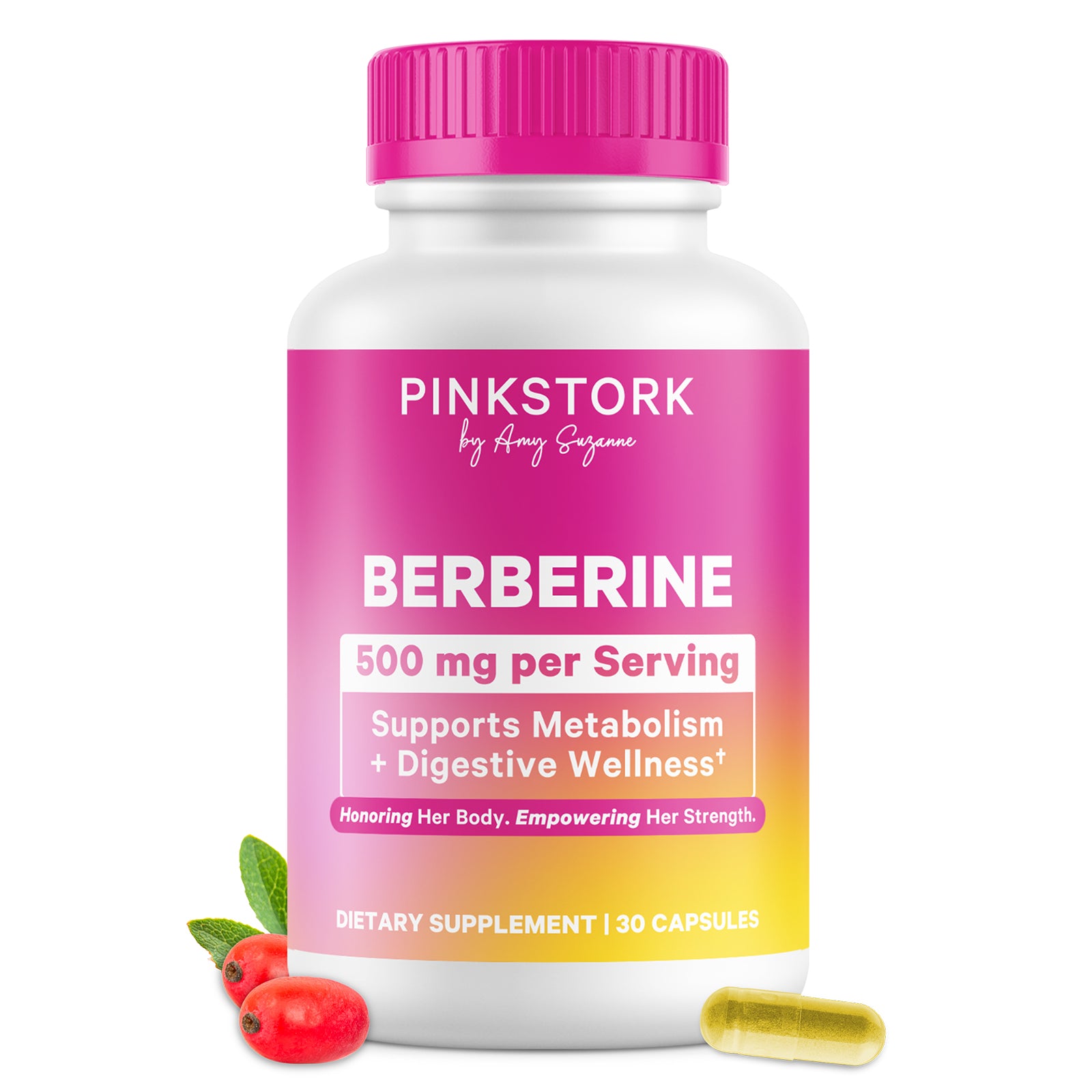
The product description states 100% Daily Value of 14 OBGYN-recommended nutrients.
$36


What can you ask about food, fluids, and daily habits?
Ask your provider which everyday steps fit your pregnancy and whether you need more specific care. Supplements should not replace a conversation about food, fluid intake, medicines, and persistent symptoms.
ACOG's pregnancy nutrition guidance lists 25 g of fiber per day. Foods with fiber include beans, lentils, vegetables, fruit, and whole grains. Ask how to work toward that intake if nausea or food aversions limit your choices.
ACOG also advises 8 to 12 cups of water per day during pregnancy. Confirm your individual fluid advice if your healthcare team has given you specific instructions. You do not need to force a large amount at once to ask for help with your routine.
Ask about activity that fits your pregnancy and any restrictions. If ordinary diet and routine changes do not resolve the problem, your provider can discuss an appropriate next step.
Do not choose a magnesium supplement, probiotic, herbal product, or laxative solely because it appears in a constipation search. Those products have different ingredients and uses. Ask your provider or pharmacist before you add one during pregnancy.
When should you contact your healthcare provider promptly?
Contact your healthcare team when constipation persists, becomes painful, or interferes with food, fluids, or your ability to take recommended supplements. You do not have to wait until you feel miserable to ask.
Seek prompt medical attention for severe or persistent abdominal pain, vomiting, blood in your stool, or an inability to pass gas. Those symptoms need assessment rather than another prenatal purchase.
Be specific about what you have already tried. Tell your provider about any laxatives, teas, or additional supplements, even if you used them only briefly.
Health references for this 2026 guide
The general educational reference points are the NIH Office of Dietary Supplements' Iron Fact Sheet for Consumers and ACOG's patient guidance on Nutrition During Pregnancy and Problems of the Digestive System. Their scope includes pregnancy iron intake, supplemental iron side effects, food and fluid guidance, and digestive symptoms.
Product details are separate from those health references. The comparison uses the supplied product descriptions, while your purchase decision should include the current Supplement Facts panel and your provider's advice. This article is educational information, not individualized medical advice.
FAQ
Is there a prenatal vitamin that doesn't cause constipation?
No prenatal vitamin can guarantee that you will not experience constipation. Ask your healthcare provider to review your prenatal's iron amount, any separate iron supplement, and other possible contributors before you switch.
Can prenatal vitamins cause constipation even if I take them with food?
Iron-containing supplements can cause constipation even when you take them with food. Follow the product directions and ask your healthcare provider about persistent symptoms rather than change the serving yourself.
Should I stop my prenatal vitamin if I feel constipated?
Ask your healthcare provider before you stop or replace a recommended prenatal. Bring the label and explain when the constipation started so you can agree on a plan that accounts for your nutrient needs.
Are prenatal gummies less likely to cause constipation than other formats?
A gummy format does not establish a lower likelihood of constipation. Compare the current iron amount, nutrient amounts, and serving size rather than assume a chewable product has a particular formula.
How much iron do I need during pregnancy?
27 mg of iron per day is the NIH Recommended Dietary Allowance during pregnancy. This is a daily intake reference, not a direction to add that amount on top of your current prenatal or prescribed iron.
How much fiber should I ask about during pregnancy?
25 g of fiber per day is the intake listed in ACOG's pregnancy nutrition guidance. Ask your provider how to approach that intake if nausea, food aversions, or other concerns limit what you eat.
Can I take a probiotic or magnesium supplement for constipation during pregnancy?
Ask your healthcare provider or pharmacist before you add a probiotic, magnesium supplement, or other product during pregnancy. The ingredient list, intended use, and your existing supplement plan all matter.
What should I bring to an appointment about prenatal vitamins and constipation?
Bring your prenatal label, every other supplement and medicine you take, and a brief timeline of your symptoms. Those details help your provider assess the full picture rather than focus only on the prenatal's format.
One last thing
Your most useful comparison is between full daily servings, not front-label names. A product can look familiar while its directions and nutrient amounts differ from the bottle you used before.
For your 2026 prenatal routine, start with a clear label review and a clear plan. When you are ready, explore Pink Stork's primary prenatal option and the other formats above with your healthcare provider. You deserve a choice that fits your needs without pressure or promises.
Related guides
† These statements have not been evaluated by the Food and Drug Administration. This product is not intended to diagnose, treat, cure, or prevent any disease. Always consult your healthcare provider before starting any new supplement, especially during pregnancy, breastfeeding, or while managing a medical condition. Keep out of reach of children.