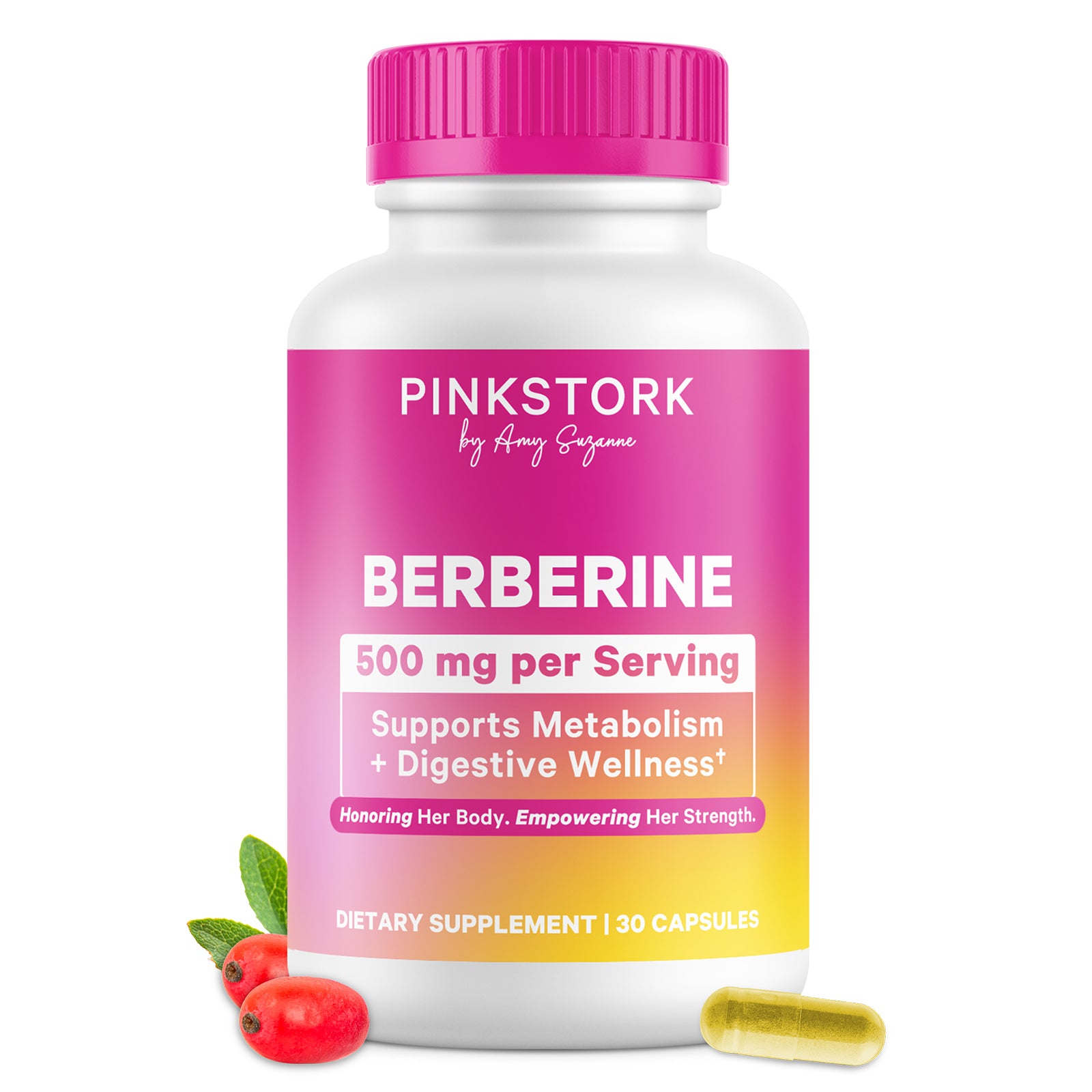
prenatal pills with folic acid
You're Planning for Baby: Let's Talk Prenatal Pills with Folic Acid
The Real Mom Moment: Feeling Overwhelmed by Baby Prep
You're standing in the supplement aisle, staring at rows of prenatal bottles, wondering which one actually supports your baby's development. The labels blur together: folic acid, folate, methylfolate, 400 mcg, 800 mcg. You just want to do this right, but the sheer number of choices feels paralyzing.
Choosing prenatal pills with folic acid doesn't have to feel like decoding a medical journal. You deserve clear answers about what your growing baby needs and why it matters, delivered with compassion and backed by real science.
Our Faith-Founded, Science-Backed Approach at Pink Stork
At Pink Stork, we build every product on two pillars: faith as our foundation and science as our guide. That means rigorous third-party testing in ISO 17025 labs, cGMP manufacturing standards, and formulations grounded in research. It also means every supplement is prayed over before it reaches your hands--a tangible expression of our commitment to support you through this sacred season.
As a women-owned, women-run company with 80% women across our team, we understand the questions keeping you up at night. We're here to walk beside you with education you can trust and products designed for exactly where you are: planning, expecting, or nurturing new life.
What Are Prenatal Pills with Folic Acid and Why Do They Matter?
Prenatal pills with folic acid deliver a synthetic form of vitamin B9 that supports neural tube development during your baby's earliest days. Health experts recommend starting supplementation before conception because your baby's neural tube forms and closes within the first 28 days of pregnancy--often before you know you're expecting.
Folic Acid Basics: Your Baby's Neural Tube Protector
Folic acid supports the rapid cell division that happens in early pregnancy, particularly the formation of your baby's brain and spinal cord. Without adequate levels, the neural tube may not close properly. This can lead to conditions such as spina bifida or anencephaly. Daily supplementation helps protect against these outcomes, which is why prenatal vitamins prioritize this nutrient above nearly all others.
Folate vs. Folic Acid: Clearing Up the Confusion
Folate is the naturally occurring form of vitamin B9 found in leafy greens, citrus, and beans. Folic acid is the synthetic version used in supplements and fortified foods because it's stable and well absorbed. Your body converts folic acid into the active form (L-methylfolate) for use in cellular processes.
Some women carry a genetic variation (MTHFR) that makes this conversion less efficient. That's why prenatal vitamins with folate rather than folic acid have gained attention. Both forms support healthy neural tube development when taken at recommended doses.
| Feature | Folic Acid | Folate (Methylfolate) |
|---|---|---|
| Source | Synthetic, lab-created | Natural or bioidentical form |
| Absorption | Requires conversion in the body | Already active, ready to use |
| Best for | Most women, general support | MTHFR gene variations |
| Cost | Typically lower | Often higher |
Who Needs Them Most? Timing and Risk Factors
Every woman of childbearing age benefits from adequate B9 intake, but supplementation becomes especially important when you're actively trying to conceive or already pregnant. Women with a personal or family history of neural tube defects, diabetes, epilepsy managed with certain medications, or obesity may need higher doses under medical supervision.
Start at least three months before conception if possible. The critical developmental window opens before most pregnancy tests turn positive.
How Much Folic Acid Do You Need? Dosages and Food Sources
Standard Dose: 400 to 800 mcg for Most Women
The CDC and ACOG recommend 400 to 800 mcg of folic acid daily for women planning pregnancy or in their first trimester. This range supports baseline needs for healthy fetal development. Most prenatal vitamins contain at least 400 mcg, meeting minimum requirements in a single daily capsule.
Higher Doses for Specific Needs
Women with elevated risk factors may require 4,000 mcg (4 mg) daily, but only under physician guidance. This includes those with a previous pregnancy affected by neural tube defects or certain medical conditions. Never self-prescribe high-dose folic acid. Work with your healthcare provider to determine appropriate levels for your situation.
Pairing With B12, Iron, and DHA Plus Food Options
Folic acid works best alongside vitamin B12, which supports red blood cell formation and neurological health. Iron supports healthy blood production during pregnancy, while DHA supports brain and eye development. Look for comprehensive prenatal formulas that include these nutrients.
Complement supplementation with folate-rich foods such as spinach, asparagus, lentils, fortified cereals, and oranges. Food alone rarely provides enough for pregnancy, but it supports your nutritional foundation.
Your 5 Simple Steps to Start Prenatal Support Today
Step-by-Step Checklist for Folic Acid Success
- Choose a prenatal vitamin with at least 400 mcg of folic acid or folate and take it at the same time each day to build consistency.
- Schedule a preconception visit with your doctor to review your risk factors and confirm the right dosage.
- Add folate-rich foods to at least one meal per day: a spinach salad, lentil soup, or fortified oatmeal.
- Set a phone reminder for your daily vitamin until it becomes automatic, ideally paired with breakfast or another established habit.
- Take our expert-backed product quiz to find personalized recommendations that align with your wellness goals and stage of life.
Join Our Community for Ongoing Encouragement
You don't have to navigate pregnancy planning alone. Our Pink Stork Community Group connects you with other women asking the same questions, sharing real stories, and cheering each other on. Join us for expert tips, encouragement, and the kind of support that makes this journey feel less isolating and more hopeful.
Wherever you are in your wellness journey--from fertility to postpartum and beyond--our mission remains the same: to encourage, inspire, and strengthen you every step of the way. You're doing a beautiful thing by preparing your body for new life, and we're honored to support you.
Pink Stork Prenatal Pills: Third-Party Tested Support for Your Journey
What Makes Our Prenatals Stand Out
Our prenatal formulations pair the folic acid your baby needs with complementary nutrients designed for real-life pregnancy challenges. While our core prenatal multivitamin offers broad nutritional support, our Prenatal Probiotic adds an extra layer of digestive and immune wellness tailored for expecting mothers.
Each batch undergoes third-party testing in ISO 17025 accredited labs for heavy metals and microbial contaminants, and we manufacture under cGMP standards. We're Prop 65 compliant and transparent about every ingredient, because you deserve to know exactly what you're taking during this sacred season.
We understand the nausea that can make swallowing pills feel impossible and the constipation that few people warn you about. Our Prenatal Probiotic includes vitamin B6 at 15 mg (750% DV) to support nausea and indigestion, and the 50 billion CFU probiotic blend is designed to support the microbiome over time. This approach supports digestive comfort and bowel regularity, which can be helpful during pregnancy.
Our Prayerful Process: Every Pink Stork product is prayed over before shipping. This is a tangible expression of our commitment to support you spiritually, physically, and emotionally. Faith as our foundation means we see this work as ministry, not only commerce.
Real Stories From Moms Who Stayed Consistent
Women in our community report that the single-capsule daily serving makes consistency easier, even on exhausting first-trimester days. Many share that taking their prenatal with food feels gentler on the stomach and fits into a morning or evening routine. Moms also appreciate that they can continue the Prenatal Probiotic after pregnancy if it remains a good fit for them.
While some people notice digestive changes within the first month, probiotic benefits can vary, and consistent daily use matters.
Safety, Quality, and Our Commitment
Our manufacturing facilities follow FDA requirements for dietary supplements under current Good Manufacturing Practices. Every ingredient must meet our quality benchmarks before formulation begins, and finished products are tested before they earn our label.
Many healthcare providers recommend Pink Stork products because they trust our transparency: we avoid hiding behind undisclosed proprietary blends, and we provide full ingredient lists with amounts. When you choose Pink Stork prenatal pills with folic acid and supportive nutrients, you're choosing a partner invested in your wellness from fertility planning through perimenopause and every stage between.
Take our product quiz to discover which formulations align with your current needs and health goals.
Bringing It All Together: Your Prenatal Folic Acid Roadmap
The Core Truth About Timing and Consistency
Start prenatal pills with folic acid at least three months before trying to conceive, and stay consistent through your first trimester at minimum. Waiting until you see two pink lines means your baby's early developmental window has already begun.
Your medical history determines whether you need a dose higher than the standard 400 to 800 mcg, so work with your healthcare provider for personalized guidance.
Beyond the Bottle: Lifestyle Factors That Support Benefits
Supplementation works best as part of a broader wellness plan. Chronic stress can increase the body's need for certain B vitamins. Alcohol can interfere with folate absorption. Certain medications--including some anti-seizure drugs--can affect folate status.
If you take metformin for PCOS or insulin resistance, discuss supplementation timing with your doctor since it can affect B12 levels. Pair your prenatal vitamin with adequate hydration, seven to nine hours of sleep, and balanced meals.
Food sources such as lentils, fortified cereals, and dark leafy greens add valuable folate, but they can't replace supplementation during pregnancy. Cooking reduces natural folate in vegetables, and the portion sizes needed to meet daily requirements aren't realistic for many women, especially during first-trimester food aversions. Think of whole foods as supportive, alongside your supplement routine.
What to Watch for as Your Pregnancy Progresses
Your prenatal vitamin needs may shift as you move from the first trimester to the third. Morning sickness often eases by week 14, making pill-taking easier, but iron needs can rise as blood volume expands. Some women develop constipation from iron, which is one reason probiotic support may be helpful for comfortable digestion.
Stay connected with your healthcare provider through prenatal visits to monitor levels and adjust supplementation if bloodwork shows a deficiency. If you breastfeed after delivery, ask whether continuing a prenatal vitamin makes sense for you. Lactation can increase nutrient needs, and some women become pregnant again while breastfeeding.
Making Peace With Imperfection
You'll forget doses. You'll have mornings when nausea wins and the vitamin comes back up. You may wonder if you're doing enough, taking the right form, or choosing the right brand.
Consistency matters more than perfection.
If folic acid triggers nausea, try taking your vitamin with your largest meal or before bed. If you miss a day, take your regular dose the next day without doubling it.
This journey asks a lot of you already. Give yourself the same grace you would give your child while learning something new. You're building a human being with your body, and that's extraordinary work even when it feels messy and uncertain.
Your Next Faithful Step
Wherever you are right now--trying to conceive, newly pregnant, or preparing your body for the possibility--you can take one small action today.
Set a daily alarm for your prenatal vitamin. Add spinach to tonight's dinner. Schedule a preconception appointment. Take our product quiz to find formulations that match your stage and symptoms. Join our community group where women share real, unfiltered experiences of pregnancy planning and early motherhood.
We're here to encourage, inspire, and strengthen you through every step of this sacred season. You don't walk this path alone, and you don't need to have all the answers before you begin. Faith and science walk hand in hand at Pink Stork, and both remind us that small, faithful actions add up over time.
Your baby's health begins with the choices you make today. Choosing prenatal pills with folic acid is one meaningful step you can take.
These statements have not been evaluated by the Food and Drug Administration. This product is not intended to diagnose, treat, cure, or prevent any disease. This educational content is not a substitute for professional medical advice. Always talk with your healthcare provider about your unique needs.
Frequently Asked Questions
Are prenatal vitamins with folic acid beneficial for me and my baby?
Yes, prenatal vitamins with folic acid are incredibly beneficial. They deliver a synthetic form of vitamin B9 that is essential for your baby's neural tube development, which forms very early in pregnancy. Consistent daily supplementation helps support the healthy formation of your baby's brain and spinal cord.
Which form of folic acid is best to take before pregnancy?
Both folic acid and folate (L-methylfolate) are excellent choices for pre-pregnancy. Folic acid is a stable, synthetic form that your body converts for use, while folate is the active, naturally occurring form. If you have a genetic variation like MTHFR, folate might be suggested, but both forms are effective in supporting neural tube development.
Can taking folic acid cause a rash?
Our article does not mention rashes as a common side effect of folic acid. Generally, folic acid is well-tolerated when taken at the recommended dosages. If you experience any unexpected symptoms or concerns, we always recommend consulting with your healthcare provider for personalized guidance.
What should I look for in the best prenatal with folic acid?
The best prenatal with folic acid is one that aligns with your unique needs and offers comprehensive support. We recommend looking for a formula that includes at least 400-800 mcg of folic acid or folate, alongside other key nutrients like vitamin B12, iron, and DHA. You can also take our expert-backed product quiz to find personalized recommendations for your wellness journey.
What happens if I take folic acid every day during pregnancy?
Taking folic acid every day during pregnancy, especially starting before conception and through the first trimester, is exactly what health experts advise. This consistent daily intake, typically 400 to 800 mcg, is a loving way to support the healthy development of your baby's brain and spinal cord, helping to prevent neural tube defects.